
The historical evolution of casinos from ancient gaming to modern enterprises
Ph Sky casino games: a deep dive into the history and evolution of casino
junio 25, 20262026-da Pin Up app ilə oyun təcrübənizi necə inkişaf etdirmək olar
junio 25, 2026The historical evolution of casinos from ancient gaming to modern enterprises
The historical evolution of casinos from ancient gaming to modern enterprises
The Origins of Gaming in Ancient Civilizations
The concept of gaming can be traced back to ancient civilizations, where evidence suggests that various forms of betting and chance were integral to social gatherings. Civilizations such as the Chinese, Egyptians, and Greeks engaged in games of chance, utilizing dice made from materials like bone and wood. These early forms of gambling often had religious significance, with rituals surrounding them to invoke favor from deities. As societies advanced, so too did the complexity of these games, leading to the early foundations of what we now recognize as casinos. Additionally, for a modern twist on gaming, many players enjoy platforms like cwinz live casino, which offer extensive options.
In ancient China, around 2300 BCE, the game of «Keno» was played, indicating that organized gaming existed long before modern casinos. The Greeks also contributed to the development of gambling with games like «astragali,» which involved betting on the outcome of thrown knucklebones. These early games were not merely for entertainment; they served as a way to bring communities together, forging bonds among participants. The stakes were often tied to agricultural produce or livestock, emphasizing the economic aspect of gaming in these societies.
As these ancient societies interacted through trade and conquest, gaming practices were shared and adapted across cultures. For instance, the Romans popularized various gambling activities during their empire, leading to the establishment of betting halls where citizens could engage in games of chance. This cultural exchange laid the groundwork for future gambling establishments, setting the stage for the evolution of casinos into dedicated spaces for gaming.
The Renaissance and the Birth of Modern Gambling
The Renaissance marked a significant turning point in the history of gambling, as Europe saw a surge in interest in games of chance. The invention of playing cards in the 14th century led to the emergence of various card games, which quickly gained popularity among the aristocracy. These card games evolved into more structured forms of betting, leading to the creation of the first gaming houses in Italy during the 17th century. Venues such as the Ridotto in Venice became well-known, offering organized gaming opportunities to both locals and travelers.
During this period, gambling became increasingly associated with the elite, as the wealthy flocked to these establishments for recreation and social status. The rules and regulations surrounding these early gambling houses began to take shape, emphasizing fairness and integrity in gaming. The popularity of these venues prompted governments to take an interest, as they recognized the potential for taxation and regulation. This marked the beginning of state involvement in gambling, which would shape the future of casinos.
The spread of gaming houses throughout Europe continued, with places like France leading the way in the development of modern casino games. The creation of games such as roulette and baccarat provided new forms of entertainment that catered to a growing appetite for gambling. As these games became more widely recognized, the casino experience began to transform, incorporating elements of luxury and sophistication that would become hallmarks of modern establishments.
The Rise of Casinos in the 19th Century
The 19th century heralded a new era for casinos, especially with the establishment of resorts that combined gambling with leisure. The city of Monte Carlo, for example, became synonymous with the casino experience as the Monte Carlo Casino opened its doors in 1863. This luxurious venue attracted the wealthy and famous, solidifying the image of casinos as elite destinations for entertainment and gaming. The appeal of these resorts also stemmed from the allure of glamour and extravagance that accompanied them.
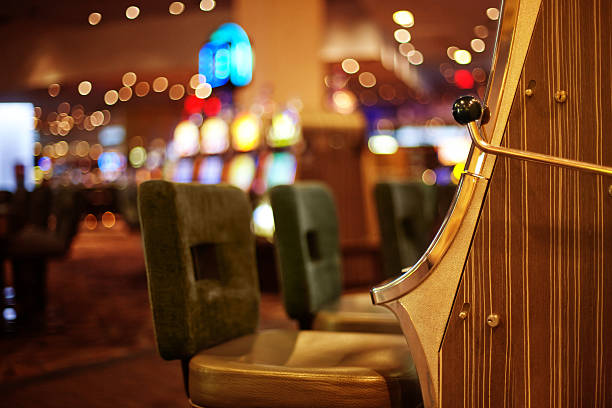
With advancements in technology, the gaming experience continued to evolve. The introduction of mechanical slot machines in the late 1800s transformed the landscape of gambling, making it accessible to a broader audience. These machines offered simplicity and immediate gratification, attracting players who may have been intimidated by traditional table games. The popularity of slots surged, leading to their integration into casinos as staple attractions.
The growth of casinos throughout Europe and North America prompted legislative changes, as authorities sought to regulate the burgeoning industry. Various jurisdictions implemented laws concerning licensing and taxation, further shaping the casino landscape. This period marked a transition from informal gambling venues to more structured establishments that adhered to regulatory frameworks, ensuring a level of consumer protection and integrity in gaming operations.
The Global Expansion of Casinos in the 20th Century
The 20th century saw a dramatic expansion of casinos worldwide, driven by changing social attitudes towards gambling. After World War II, Las Vegas emerged as the gambling capital of the world, offering a unique blend of entertainment and gaming. The construction of lavish hotels and casinos transformed the city into a major tourist destination, attracting millions of visitors annually. This shift solidified the image of casinos as not just places for gambling, but as entertainment complexes offering shows, dining, and nightlife.
As gambling became more mainstream, various regions began to legalize and regulate casinos. In the United States, states like New Jersey followed suit, leading to the establishment of Atlantic City as a rival to Las Vegas. This proliferation of casinos prompted the development of diverse gaming options, including poker rooms and sports betting, catering to different types of players. The industry expanded further with the rise of online casinos in the late 1990s, revolutionizing access to gaming.
Online gaming transformed how players interacted with casinos, allowing them to enjoy a wide range of games from the comfort of their homes. This shift not only broadened the demographic of casino enthusiasts but also prompted traditional casinos to adapt to digital trends. Today, many brick-and-mortar establishments offer online platforms, ensuring they remain competitive in a rapidly changing landscape of gaming.
The Contemporary Casino Landscape: Innovations and Trends
Today’s casinos have evolved into multifaceted entertainment hubs that cater to a wide variety of interests. Modern casinos feature not just gaming options but also dining, shopping, and live entertainment. This transformation has allowed establishments to attract a broader audience, providing a complete experience that goes beyond gambling. High-tech innovations, such as virtual reality and mobile gaming, are also becoming integral to the casino experience, enhancing engagement and interactivity.
The rise of online gaming continues to influence how traditional casinos operate. Many casinos have embraced technology, offering apps that allow players to enjoy their favorite games on the go. This shift has led to the integration of live dealer games, where players can interact with real dealers through streaming technology, creating an immersive gaming experience reminiscent of being in a physical casino.
Security and responsible gaming have also become paramount concerns in the modern casino industry. Casinos are now implementing measures to promote responsible gambling, ensuring players are protected against addiction and financial loss. Additionally, enhanced security protocols are in place to safeguard both physical establishments and online platforms, addressing the growing concerns surrounding data privacy and customer safety.

Exploring Online Gaming at Cwinz
Cwinz India stands out as a premier online casino specifically designed for Indian players, offering a user-friendly platform for gaming enthusiasts. With an extensive selection of over a thousand casino games, including slots and live dealer options, Cwinz caters to diverse preferences, providing an engaging experience. The website’s seamless integration of various gaming options makes it an attractive choice for both newcomers and seasoned players.
The quick registration process and various payment options in Indian Rupees ensure that Cwinz accommodates local players effectively. The site also offers a generous bonus structure, rewarding both new and returning users, which enhances the overall gaming experience. With an emphasis on user engagement and security, Cwinz aims to create a safe and enjoyable environment for all its players.
In conclusion, Cwinz represents the modern evolution of casinos, combining traditional gaming elements with contemporary technology. As the casino landscape continues to evolve, Cwinz remains committed to providing a top-notch online betting experience, ensuring that players can enjoy their favorite games anytime, anywhere.
